Unusual ways AI is changing our lives.
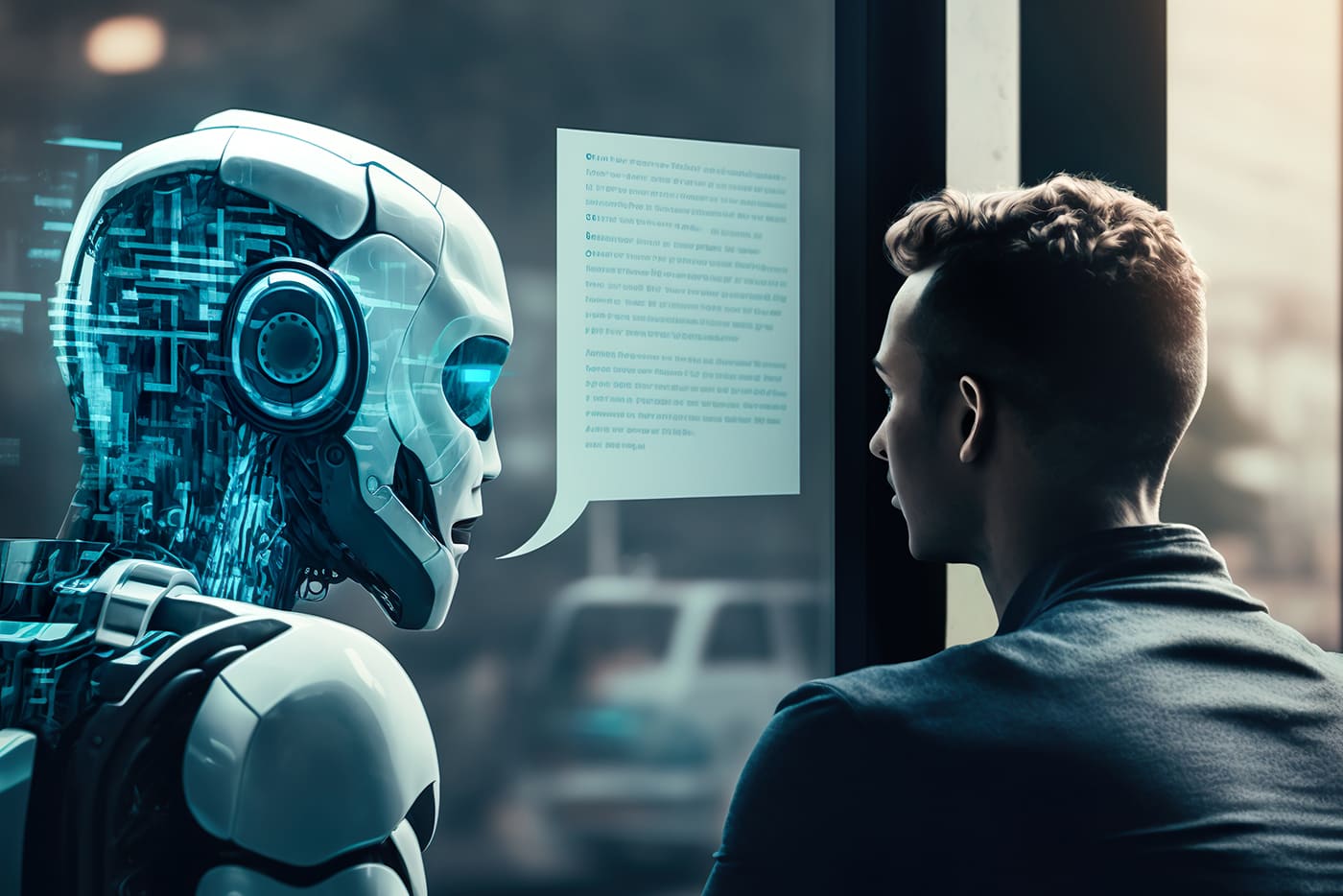
At the beginning of 2025, everyone thought AI usage would be limited to generating text, images, or, at most, videos. But by the end of 2025, we all saw that AI was being used to develop real-world applications. AI was also used surprisingly for counselling by many people. The most extensive use of AI has been for brainstorming, which was not very obvious at the beginning of the year. But now it has become normal to brainstorm with AI. Unusual everyday uses in 2025 Voice Plus chat = “Second Brain” Casual chat turned into a proper intellectual conversation. People used AI tools to review contracts, write letters in local languages, draft HR policies, and summarise government circulars, not just “create content”. A shop owner might paste a GST notice and ask for a simple explanation in Hindi or Gujarati. Invisible AI in tools already used We might not know that there is AI behind the tool that we are using. Many interacted with AI through WhatsApp spam filters, camera apps that optimise photos, smart reply buttons in email, or AI search answers, without logging into any special website. Personal advice and emotional support This is one of the most unusual uses of AI. Surveys show a surprising share of users turning to AI for counselling?style conversations, decision support for career and money, and even parenting advice. Even health-related counselling is very helpful. Of course, you need final advice from your doctor, but understanding something can be very easy with AI. E.g.: My mother used to say that if we have Gas and indigestion-related problems, we should chew a few cumin (Jeera) seeds. When I did a deep research on this topic, I came to know why that work. A common person as an app maker When market leaders used to say in late 2024 that one day AI would be able to code, no one took them seriously. But by late 2025, AI?powered no?code platforms let non?technical people describe an idea in plain language and get a working web or mobil